
Industrial Project Advisory for an Asian Food Ingredient Manufacturer Entering the UAE
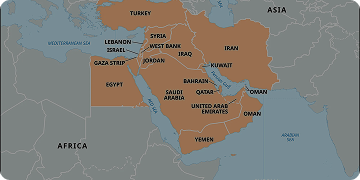
 Asia → United Arab Emirates
Back to Case Studies
 Operational execution
 Food Industry – Industrial Processing
Back to Case Studies
Food Industry – Industrial Processing
Back to Case Studies
 Client Profile
A leading Asian manufacturer specializing in food-grade by-products used in global food processing industries was exploring the establishment of its first manufacturing facility in the Middle East.
The company operates a large industrial park in Asia and supplies its products internationally to major food producers across multiple markets.
In mid-2025, the client approached UFG informally to discuss the feasibility of launching a manufacturing project in the UAE to serve regional and international demand.
 Client Objective
- Establish an industrial manufacturing facility in the UAE
- Develop a production base closer to Middle East and global markets
- Secure a compliant industrial license and operational infrastructure
- Ensure efficient project implementation and regulatory alignment
 Initial Situation
By the end of 2025, the client returned to UFG to discuss a concrete investment plan for the UAE factory project.
During the discussion, it became clear that the client had already engaged another consultancy firm and had paid approximately AED 80,000 (over USD 20,000) to establish an initial mainland company under a General Trading license using a satellite office address.
At that time:
- The mainland company registration was underway
- A visa application was scheduled to be submitted the following day
- A separate proposal for a future free zone factory setup had been promised but not finalized
The client believed this structure would support the eventual launch of the industrial project.
 Challenges
After reviewing the proposed structure, UFG identified several critical risks that could significantly delay or complicate the client’s long-term objective of establishing an industrial manufacturing facility.
Key concerns included:
- Banking Feasibility
Opening a corporate bank account for a mainland General Trading company operating from a satellite address can be challenging, particularly when the business activity does not reflect the client’s actual industrial operations. - Regulatory Alignment
Applying later for an industrial manufacturing entity while holding residency and compliance records tied to an unrelated trading company could trigger additional scrutiny from regulatory authorities and financial institutions.This could potentially extend approval timelines for the factory project.
- Structural Inefficiency
Industrial manufacturing entities naturally include trading functions related to raw materials and finished products. Therefore, creating a separate mainland trading company was unnecessary and could complicate the overall project structure.
These factors indicated that the initial setup strategy was not aligned with the client’s long-term industrial investment plan.
 UFG Approach
UFG conducted a comprehensive review of the client’s objectives and proposed a more direct and compliant pathway to support the industrial project.
Rather than continuing with the mainland trading entity, UFG recommended that the client pause the registration and visa process for the unnecessary company structure.
UFG then designed a revised implementation plan focused directly on establishing the manufacturing platform.
Key actions included:
- Identifying suitable free zone industrial facilities capable of supporting food-grade production
- Coordinating site visits and evaluating workshops located near potential regional buyers
- Negotiating terms with the free zone authority to secure more favorable lease conditions
- Achieving a 10% reduction in the annual facility rental cost
- Structuring a five-year industrial license package aligned with the client’s long-term manufacturing plans
- Supporting operational planning for factory setup and workforce recruitment
This approach allowed the client to move directly toward the industrial project rather than investing resources in an unnecessary intermediate structure.
 Outcome
The revised strategy enabled the client to move forward with the factory project under a more efficient and compliant framework.
Key results included:
- Securing an appropriate industrial facility within a UAE free zone
- Achieving improved commercial terms with a 10% reduction in annual rental costs
- Establishing a five-year industrial licensing framework aligned with production planning
- Avoiding unnecessary corporate structuring and potential regulatory complications
- Launching the implementation phase of the manufacturing project
By March 2026, the project had entered the operational preparation stage:
- Industrial machinery shipments were already en route to the UAE
- Recruitment of the local operational team had begun
- Factory launch preparations were underway
The project is expected to become a new regional manufacturing base supporting the client’s global supply chain.
 UFG Role in the Engagement
UFG served as the industrial project advisor and implementation coordinator, helping the client realign its strategy and accelerate the path toward operational launch.
The engagement included:
- Strategic diagnostic review of the initial corporate structure
- Industrial project planning and jurisdiction selection
- Free zone negotiation and facility sourcing
- Industrial licensing coordination
- Project implementation support
 Engagement Timeline
Mid-2025
Initial discussions regarding potential UAE expansion
Late 2025
Client develops preliminary launch plan and consults UFG for review
Early 2026
Revised project structure implemented and industrial facility secured
March 2026
Machinery shipment and operational preparation underway
 Engagement Type
Industrial project advisory
Free zone industrial licensing
Manufacturing facility sourcing
Operational project implementation
Operational executionFood Industry – Industrial Processing